Order Read Outside Your Bubble!

Learn how to foster student engagement, cultivate empathy, and encourage a love of reading by bringing diverse literature into the classroom in culturally responsive ways!

Using an instructional coaching framework, Read Outside Your Bubble: Expand Your Bookshelf, Expand Your World  introduces teachers to a new mindset for helping students develop literacy and become lifelong readers. By building an accessible and inclusive literacy curriculum, you can pique students’ interest in the world outside their bubbles. “Bubbles” are identity markers of race, religion, orientation, and socio-economic status. In this book, as an instructional coach and parent I use a conversational and research-backed approach to introducing my L.E.A.P framework, which guides you through the process of crafting your curriculum. You’ll also learn how to develop lesson plans that increase compassion, cultivate empathy, and encourage a love of reading and history.

  • Follow the research-backed L.E.A.P. framework to choose diverse reading selections for K-12 classrooms
  • Learn step-by-step techniques for creating an inclusive curriculum that engages students in literacy
  • Help turn students into lifelong learners by encouraging them to think beyond their own circumstances and think critically about the world around them
  • Teach students how to compare and contrast themes and ideas across content areas

The primary audience is teachers, curriculum coaches, curriculum specialists, instructional coaches, and homeschooling parents will appreciate the practical, future-minded approach in Read Outside Your Bubble. This book brings diversity into homes and classrooms in a way that will prepare students to participate in the creation of a more inclusive world.

I would love for you to order my book! I cannot wait to connect with you even more! Check me out on Instagram @loveteachbless! Connect soon!

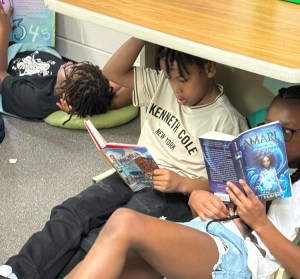
Excerpt from my Breaking Boundaries webinar!

Vetting Inclusive Books: A Practice of Love and Intention

One of the most powerful ways we can expand our world (and the worlds of our students) is through the books we read and share. In Read Outside Your Bubble, I talk about what it means to intentionally step beyond our comfort zones to learn from and with others. That same mindset applies when we choose the books we bring into our classrooms and homes.

Books are more than stories; they are mirrors, windows, and sliding glass doors. They reflect who we are, allow us to see into others’ experiences, and invite us to step through and connect in meaningful ways. But here’s the thing—just because a book features diverse characters doesn’t mean it’s truly inclusive or accurate. That’s why vetting the books on our shelves matters.

I created the Vetting Inclusive Books Checklist as a practical starting point. It helps us pause and reflect on the messages, representations, and relationships within the stories we share. Are the illustrations authentic? Are the characters free from stereotypes? Are we reading from authors who share lived experiences with the communities they write about?

When we take time to evaluate our books for inclusivity and truth, we move from performative inclusion to purposeful inclusion. We model for students what it looks like to engage critically—with compassion and curiosity.

As you use this checklist, ask yourself:

Do my students see themselves represented in the stories I teach? Am I offering them opportunities to learn about others with empathy and respect? Am I continuously expanding my own bubble through the stories I choose?

The work of inclusion isn’t a checklist—it’s a journey of awareness, humility, and growth. But this list is a starting point, a reminder that every book we share has the potential to either affirm or erase. Let’s make sure the ones we choose do the former.

Let’s read bravely, love deeply, and continue to expand the bubbles that we read and live in.

You can purchase, Read Outside Your Bubble: Expand Your Bookshelf, Expand Your World to read and learn more!

The Importance of Data Chats with Students

Having 1:1 data chats with your students is powerful because it helps students see themselves as active partners in their learning instead of passive recipients.

Why Data Chats are Important

Ownership of Learning – When students see their own data, they begin to understand where they are and what they need to work on. It shifts responsibility from teacher-driven progress to student-driven growth.

Goal Setting – These chats give space for setting realistic, personalized goals. Students are more motivated when they help define what success looks like for them.

Understanding of their data – Many students don’t fully grasp what a test score, rubric, or benchmark means. Talking through it in kid-friendly terms helps them see the “why” behind the numbers.

Confidence & Encouragement – One-on-one conversations allow you to highlight strengths students might overlook. Hearing a teacher affirm their progress builds confidence and resilience.

Differentiated Support – Each student can share what strategies work for them and where they feel stuck. This gives you valuable insight to tailor instruction and interventions.

Stronger Relationships – These chats show students that you care about their individual growth, not just the class average. That personal attention strengthens trust and classroom community.

Learning to Reflect – Learning to reflect on progress, set goals, and adjust strategies is a skill students will need in middle school, high school, and beyond.

1:1 data chats empower students to see their growth, own their learning, and feel supported and seen.

Data Chat Conversation Starters

Starting the Conversation

“When you look at this score/chart, what do you notice first?”

“How do you feel about this result?”

“What part of this makes you feel proud?”

Reflecting on Strengths

“What helped you do well in this area?”

“Which strategies did you use that worked for you?”

“If you could teach another student one tip that helped you, what would it be?”

Identifying Areas to Grow

“Which part feels the trickiest for you?”

“What do you think got in the way this time?”

“If you had one more week to practice, what would you focus on?”

Goal Setting

“What’s one small goal we can set together for next time?”

“What would reaching that goal feel like for you?”

“What can I do as your teacher to support you?”

Looking Forward

“What’s one thing you want to try differently next time?”

“How will you know you’ve made progress?”

“If you could celebrate one success by the end of the quarter, what would it be?”

You should not ask all of these questions. The key is keeping the chat short, positive, and action-focused—so students leave motivated, not overwhelmed.

Data chats help students to see the importance of assessing where they are and reflect on how they want to grow. It allows you as the teacher to build relationships with them and for the student to know you care.

Cultivate Passionate Readers

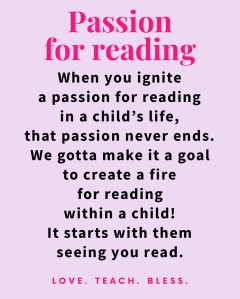
When you ignite a passion for reading in a child’s life, you’re not just helping them learn—you’re giving them a gift that will last a lifetime. Reading opens doors to imagination, knowledge, empathy, and confidence. It allows children to explore new worlds, understand different perspectives, and develop the language to express themselves.

But here’s the truth: children don’t just learn to love reading—they catch the love of reading. That fire starts when they see it modeled in the people they trust and admire. If they see you reading—not because you have to, but because you want to—they begin to understand that reading is more than a task; it’s a joy, a journey, a personal adventure.

Read aloud with children, talk about stories, visit the library together, let them choose books that excite them. It’s not about forcing it; it’s about fanning the flame of curiosity.

Don’t forget to purchase your copy of Read Outside Your Bubble to learn more about expanding your learning and teaching to teach our students well.